UFO Mode Has a Hidden Rhythm Most Players Miss. Here Is How to Find It

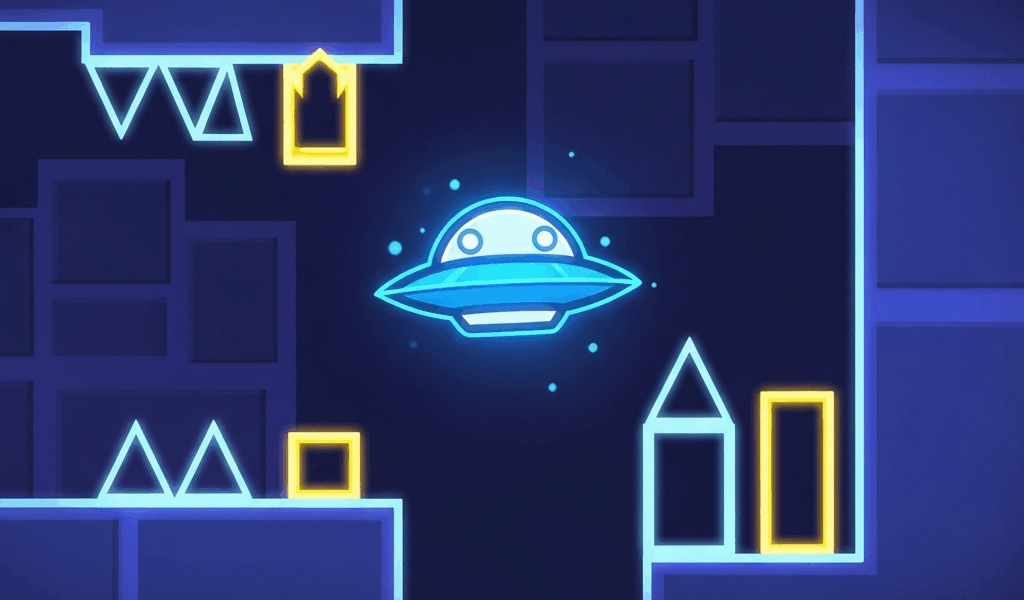
UFO mode in Geometry Dash introduces players to flight mechanics that differ significantly from ground-based gameplay. Mastering UFO control is essential for progressing through harder levels where UFO sections become increasingly demanding. This guide covers everything you need to know about flying UFO mode effectively.

How UFO Mode Works

Basic Mechanics

UFO mode grants limited flight control through tapping. Each tap provides an upward boost that lifts your UFO against gravity. Releasing causes gradual descent. You are constantly managing altitude through input frequency rather than single jumps.

Unlike ship mode where holding creates smooth ascent, UFO responds to discrete taps. Each tap gives a fixed upward impulse. Rapid tapping creates faster climb, while sparse tapping allows controlled descent with occasional corrections.

Physics Properties

The UFO has momentum that carries between inputs. You cannot instantly stop vertical movement. After climbing, releasing does not immediately reverse direction. There is a brief float before descent begins. Understanding this momentum is crucial for precise corridor navigation.

Gravity affects UFO constantly. Without input, you fall steadily. The falling speed caps at a maximum, preventing uncontrolled plummets. However, recovering from a deep descent requires multiple taps that may overcorrect into ceiling crashes.

Essential Techniques

Altitude Maintenance

Maintaining steady altitude requires rhythmic tapping at consistent intervals. The goal is counteracting gravity without gaining or losing significant height. Practice this on open sections before attempting tight corridors.

Find your natural tap rhythm for level flight. This rhythm varies slightly with speed portals, so adjust when speed changes occur. Faster speeds require quicker tap rhythms to maintain the same altitude.

Controlled Ascent

Rising through UFO sections requires more taps than level flight. Add extra taps to your rhythm when you need to climb. Avoid holding or spam-tapping, which creates erratic movement. Smooth, slightly faster tapping produces controlled ascent.

Controlled Descent

Descending is mostly about not tapping. Reduce your input frequency and let gravity do the work. Occasional single taps prevent descent from becoming too rapid. The challenge is descending at the right rate to meet upcoming obstacles.

Quick Direction Changes

Changing from ascent to descent or vice versa requires anticipation. Start changing your input pattern before reaching your target altitude. The momentum delay means late adjustments overshoot in both directions.

Common UFO Sections

Open Flight

Open UFO sections give you room to maneuver. Use these for establishing rhythm before entering tighter spaces. Practice maintaining stable altitude even when obstacles do not require it. Good habits in easy sections carry into hard sections.

Corridor Navigation

Tight corridors demand precise altitude control. Enter at the correct height and maintain it through the section. Small movements are better than large corrections. Stay calm and tap steadily rather than reacting frantically to walls.

Obstacle Weaving

Some sections require weaving between alternating top and bottom obstacles. This tests your ability to change direction repeatedly. Each transition needs anticipation since UFO cannot turn instantly.

Transition Sections

UFO sections often begin after other game modes. Your entry momentum matters. If you enter while rising from a previous mode, account for continued upward movement. Prepare mentally for UFO sections before hitting the portal.

Practice Strategies

Dedicated UFO Practice

Search for UFO practice levels in the level browser. These focus exclusively on UFO mechanics without other modes interrupting. Extended UFO practice builds muscle memory faster than occasional UFO sections in mixed levels.

Official Level UFO Sections

Theory of Everything 2 and Deadlocked contain substantial UFO content. Use practice mode to isolate these sections. Repeat them until they feel comfortable before moving to harder community content.

Speed Variation Training

Practice UFO at multiple speeds. Start at normal speed until comfortable, then practice at double and triple speed. Faster speeds compress your reaction time and force more efficient input patterns.

Common Mistakes

Overcorrection

The most common UFO error is overcorrecting. You drift low, panic tap multiple times, then crash into the ceiling. The solution is smaller, more frequent adjustments rather than large corrections when things go wrong.

Ignoring Momentum

Treating UFO like a mode that responds instantly causes timing errors. Always account for momentum when planning movements. Start direction changes early and trust that they will complete.

Inconsistent Rhythm

Erratic tapping produces erratic movement. Develop consistent rhythms and modify them slightly for different situations. A stable base rhythm with controlled variations beats random tapping.

Visual Distraction

Decorated UFO sections can distract from gameplay. Focus on the path ahead rather than surrounding decoration. Your UFO and immediate obstacles need attention. Everything else is visual noise.

Advanced UFO Techniques

Micro-Adjustments

Expert UFO play involves tiny altitude changes rather than large movements. These micro-adjustments thread through obstacles that seem impossibly tight. Practice making the smallest possible corrections to develop this precision.

Predictive Flying

Read ahead in UFO sections. Know what is coming and prepare your altitude before arriving. Reactive flying works at lower speeds but fails when levels move too fast for moment-to-moment response.

Gravity Portal Transitions

Gravity flips in UFO mode reverse your controls. Suddenly tap creates descent and release creates ascent. Practice these transitions specifically since they require complete mental reversal of your normal patterns.

Conclusion

UFO mode rewards smooth, rhythmic control over frantic input. Master the floaty physics through dedicated practice. Build muscle memory for altitude maintenance, direction changes, and corridor navigation. With time, UFO sections that once seemed impossible will become comfortable checkpoints in your runs.

Remember that UFO improvement comes gradually. Each practice session builds on previous ones. Be patient with yourself during the learning process, and celebrate small improvements in consistency and control.


Related Articles

Continue reading:
Alex Dashwood

Alex Dashwood

Author & Expert

Geometry Dash enthusiast since 2013. I have beaten every main level demon and love helping new players improve their skills. When I am not grinding practice mode, I am reviewing custom levels and following the GD creator community.

50 Articles
View All Posts

Leave a Reply

Your email address will not be published. Required fields are marked *

Subscribe for Updates

Get the latest articles delivered to your inbox.